By: Ismael Kasooha
KAMPALA
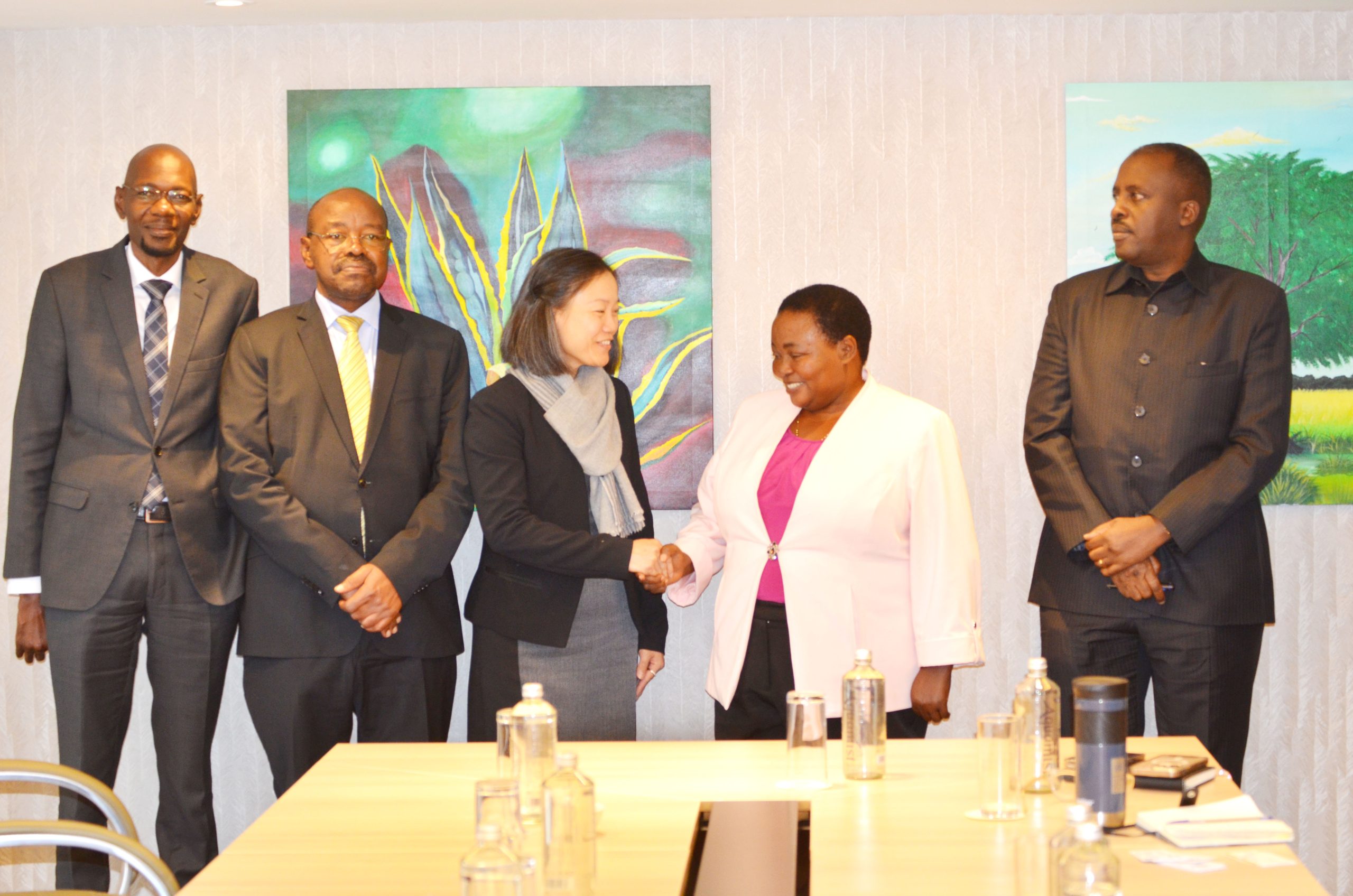
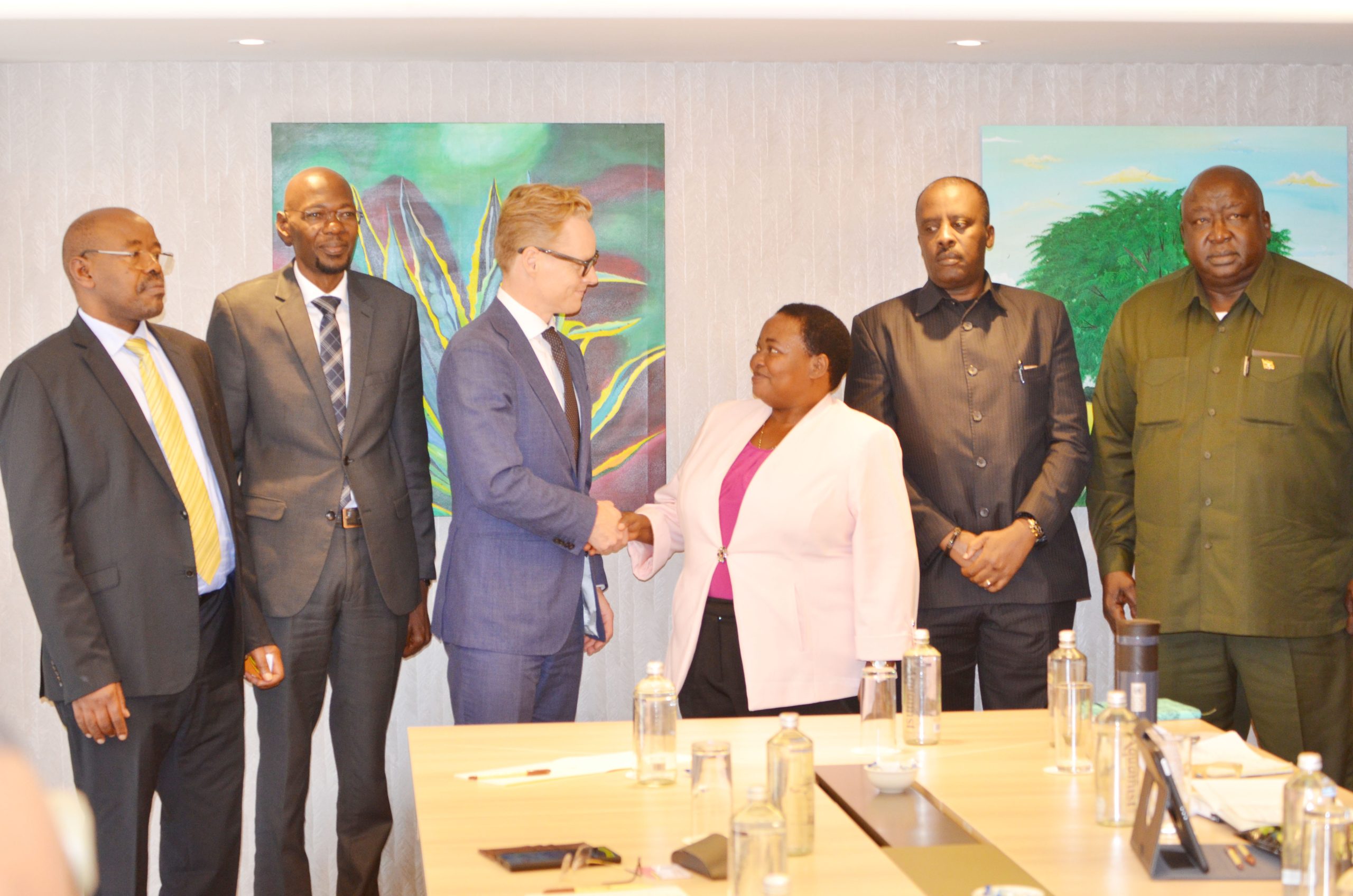
The Prime Minister Rt. Hon. Nabbanja Robinah has launched the Water and Environment Sector Refugee Response Plan (WESRRP) and appealed to both Ugandans and the Refugees to protect the environment.
The sh1.1 trillion 5-year plan is spearheaded by the Ministry of Water and Environment (MWE) and is to be funded jointly by Government and Partners. The development of the plan was supported by the Government of Germany through GIZ and will address issues in water and environment in both the refugees and host communities.
Rt. Hon. Robinah Nabbanja (back facing), Prime Minister of Uganda being received at the launch of the Water and Environmental Refugee Response Plan
“This plan is not just about building infrastructure; it is about people. It is about ensuring that a mother in Yumbe or Lamwo does not have to walk for hours in search of clean water. It is about protecting children in Nakivale from preventable waterborne diseases. It is about ensuring that the trees we cut for firewood today are replaced by greener, more sustainable alternatives for tomorrow,” noted Nabbanja.
She said that the plan was aligned with Uganda’s Fourth National Development Plan (NDP IV), the Water and Environment Sector Development Plan, and the national commitments under the Global Compact on Refugees.
The plan also reiterates the promises made during the Global Refugee Forum in 2023 and reinforces the principles of the Comprehensive Refugee Response Framework (CRRF), an initiative that Uganda proudly champions.
It aims at increasing access to clean and reliable water sources for both refugees and host communities, promoting integrated watershed management and protecting our climate-resilient catchments and Supporting reforestation, afforestation, and community-led conservation initiatives.
The other objectives of the plan include strengthening institutional coordination across sectors and with our development partners and most importantly, build local ownership and ensure the long-term sustainability of our efforts.
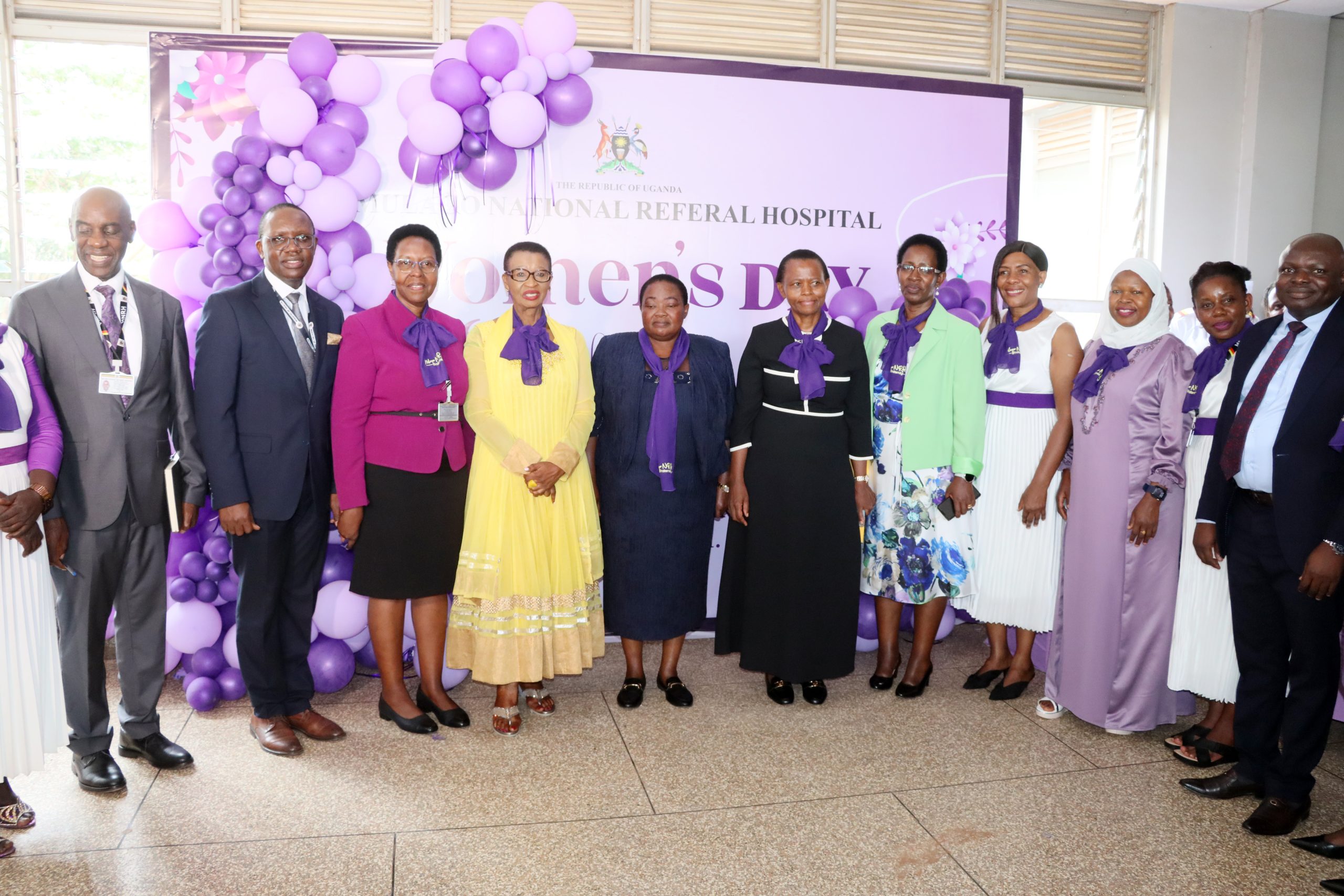
The Rt. Hon. Prime Minister Robinah Nabbanja (centre) in a group photo with dignitaries at the Water and Environment Refugee Response Plan launch
“I wish to extend my heartfelt gratitude to all the partners who contributed to the development of this plan. These include the Ministry of Water and Environment, the Office of the Prime Minister, UNHCR, development and humanitarian partners, NGOs, District Local Governments, and community leaders whose invaluable input has grounded this plan in the real experiences and needs of the communities,” said Nabbanja.
However, Nabbanja stressed the need for continued political commitment, technical collaboration, and financial resources.
“I therefore call on all stakeholders—Government Ministries, Development Partners, and the Private Sector—to join hands with us in turning this plan into tangible, life-changing impact for the refugees and host communities,” said Nabbanja.
Nabbanja thanked the international community for their continued support, both financial and technical, which is essential for the success of this plan.
“I urge you to honour your commitments and broaden your partnerships to ensure that Uganda’s open-door policy remains sustainable for both the refugees we host and the communities that welcome them,” she said.
The Premier lauded Ugandans for their continued hospitality especially the Refugee hosting communities.
“I call upon all of us to uphold the compassion, resilience, and hospitality that define us. Let us protect our environment, manage our water resources wisely, and work together for a greener, healthier, and more inclusive Uganda,” she emphasized.
She noted that Uganda had long been recognized internationally for its progressive refugee policy—one that embraces the principles of self-reliance, resilience, and integration.
“As a country that currently hosts over 1.95 million refugees, we continue to extend a warm welcome to our brothers and sisters fleeing conflict and hardship. They are not a burden, but fellow human beings who bring with them resilience, strength, and the potential to contribute to the well-being of our nation,” she observed.
However, Nabbanja noted that the significant pressure that Uganda’s open-door policy places on her natural resources, especially water and the environment.
“The rising demand for water, firewood, land, and other environmental services in both refugee settlements and host communities has led to environmental degradation, putting at risk our ecosystems and the very livelihoods we are working to protect,” she said.
The State Minister for Water, Aisha Ssekindi highlighted five key issues the Ministry wanted to address in the sector plan including; Accessing safe and reliable water for both refugees and host communities, enhancing sanitation and hygiene services to promote public health, promoting environmental conservation to safeguard vital ecosystems, strengthening resilience to climate change through adoptive and sustainable practices and enhancing coordination among stakeholders ensuring alignment, efficiency and shared responsibilities.
The German Deputy Ambassador to Uganda His Excellency Peter Primus assured the Ugandan Government of continued support from Germany.
“We want to provide interventions to refugees and the host communities that are long term to address some of the key challenges they face,” said Primus.
End