By: Ismael Kasooha
KAMPALA
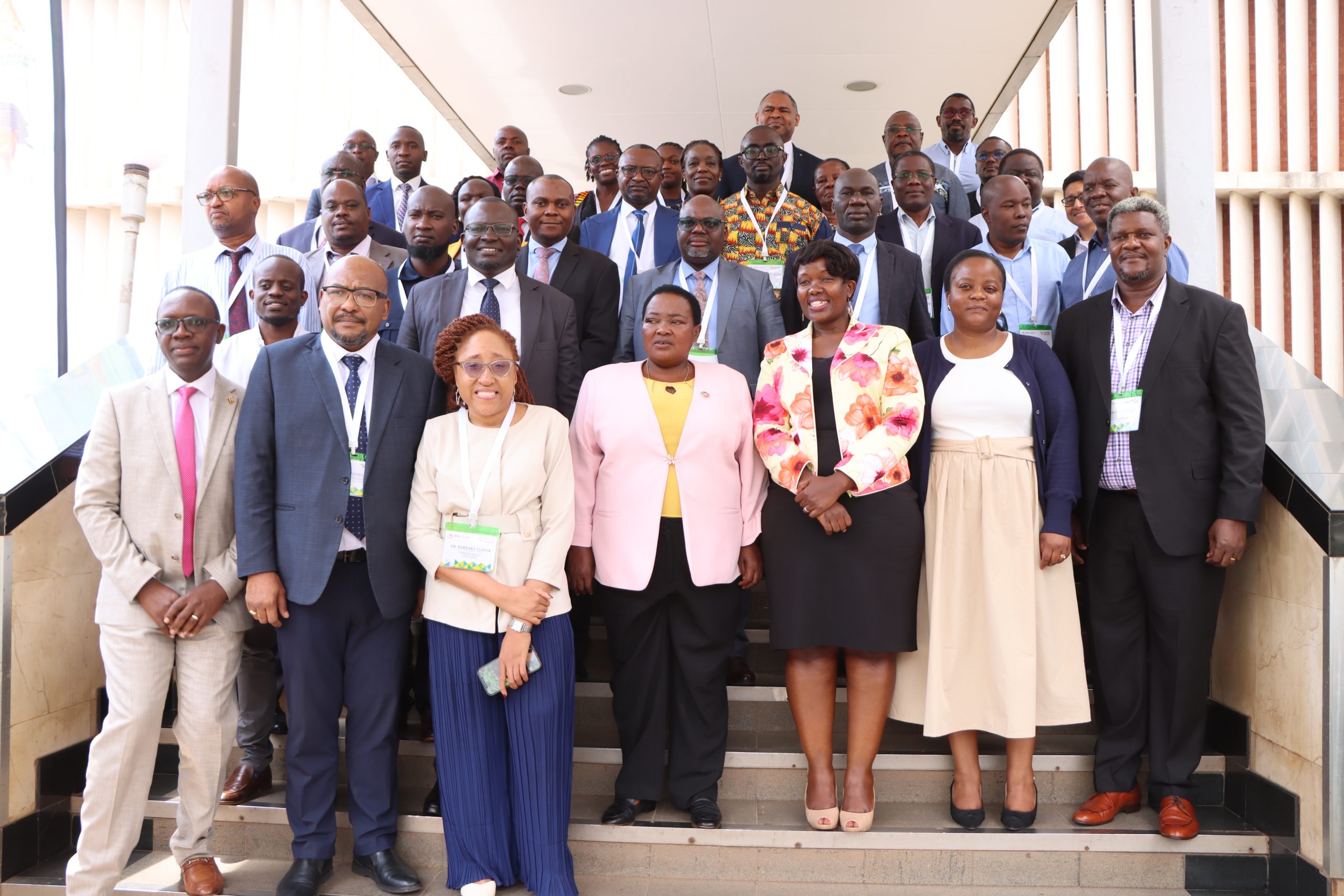
The Prime Minister of Uganda Robinah Nabbanja has told experts from East Africa that Uganda is committed to advancing responsible biosafety and environmental regulation as part of our broader public health and development agenda in the country.
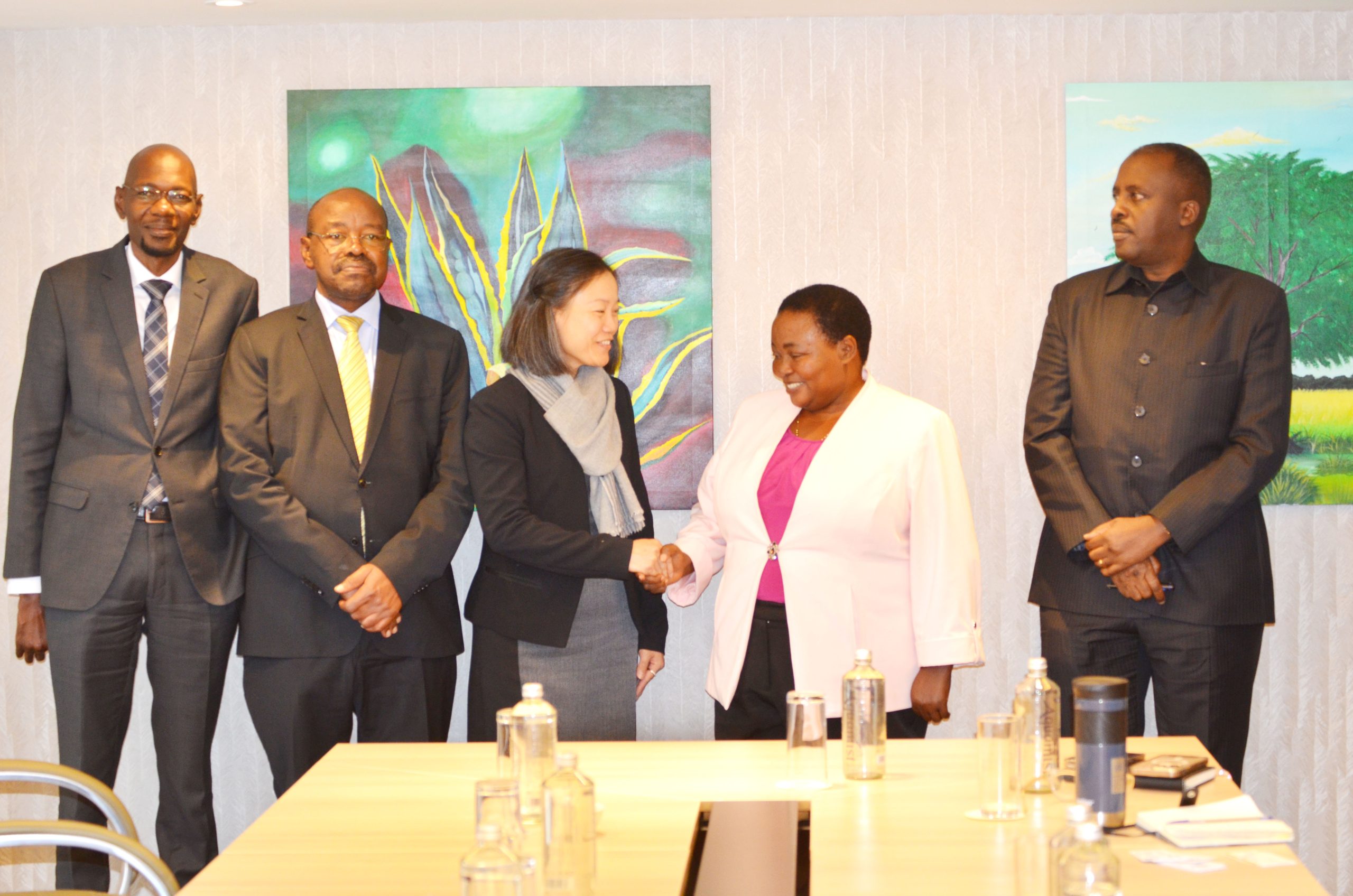
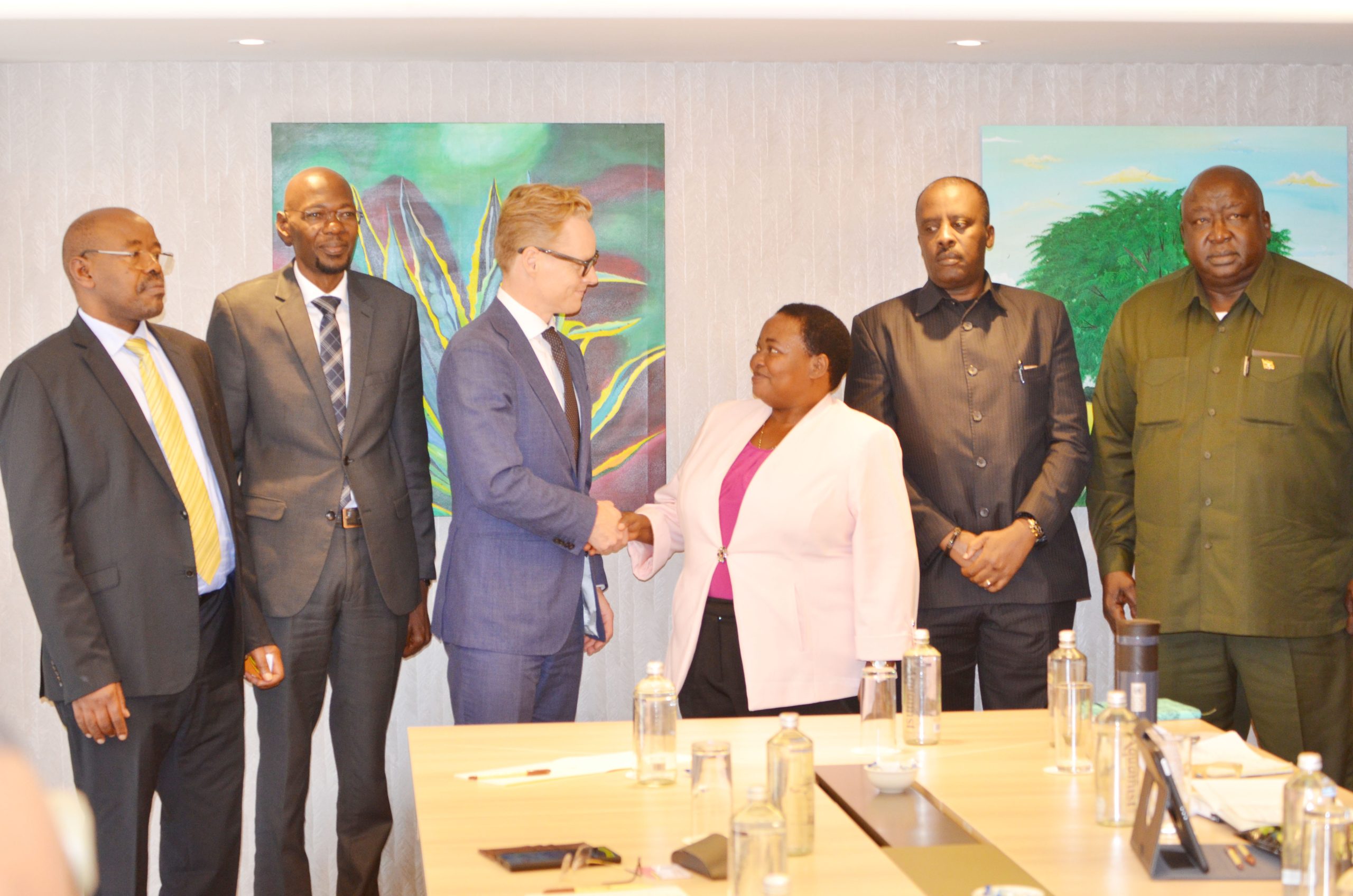
Prime Minister Robinah Nabbanja (right) talking to Dr. Daniel Kyabayinze (left), the Director Public Health at the Ministry of Health after the opening of the biosafety conference at Sheraton Hotel
Nabbanja was presiding over the official opening of the East Africa Regional Engagement on Biosafety and Environmental Regulation at Kampala Sheraton Hotel on Tuesday.
She noted that through Uganda’s National Biosafety Framework, Uganda continues to strengthen regulatory capacity, promote scientific research, and ensure that innovation is guided by evidence, safety, and public trust.
“We are working on a distinct biosafety law to help us move forward steadily. We recognize that biosafety is not just a national priority—but a regional imperative. No country can manage transboundary risks in isolation. We must act collectively to align policies, strengthen oversight, and build public confidence in new technologies,” Nabbanja noted.
She observed that Malaria continues to weigh heavily on the region—undermining health systems, livelihoods, and the country’s development ambitions.
“As we face rising challenges such as insecticide resistance, invasive species, and climate-driven shifts in disease patterns, it is clear that conventional tools alone will not suffice,” Nabbanja said.
She further observed that the engagement focuses on genetically modified mosquitoes and transboundary regulatory collaboration, marking a timely and forward-looking response to these emerging realities.
Nabbanja thanked African Union Development Agency – New Partnership for Africa’s Development (AUDA-NEPAD) for its steadfast leadership in fostering regional dialogue and supporting Member States through the Africa Integrated Vector Management Programme.
“Your commitment to innovation governance and capacity-building is helping shape a safer and more resilient continent,” she noted.
Nabbanja challenged experts to focus on what unites the region: the shared goal of eliminating malaria, the commitment to science-led policy, and the responsibility to act together in the best interest of our people and environment.
This year 2025, East African Community (EAC) Partner States, including Uganda, are actively engaged in strengthening biosafety and environmental regulations. This includes regional collaborations on biosafety policy harmonization, particularly concerning genetically modified organisms (GMOs), and addressing challenges like resource constraints and public awareness.
END